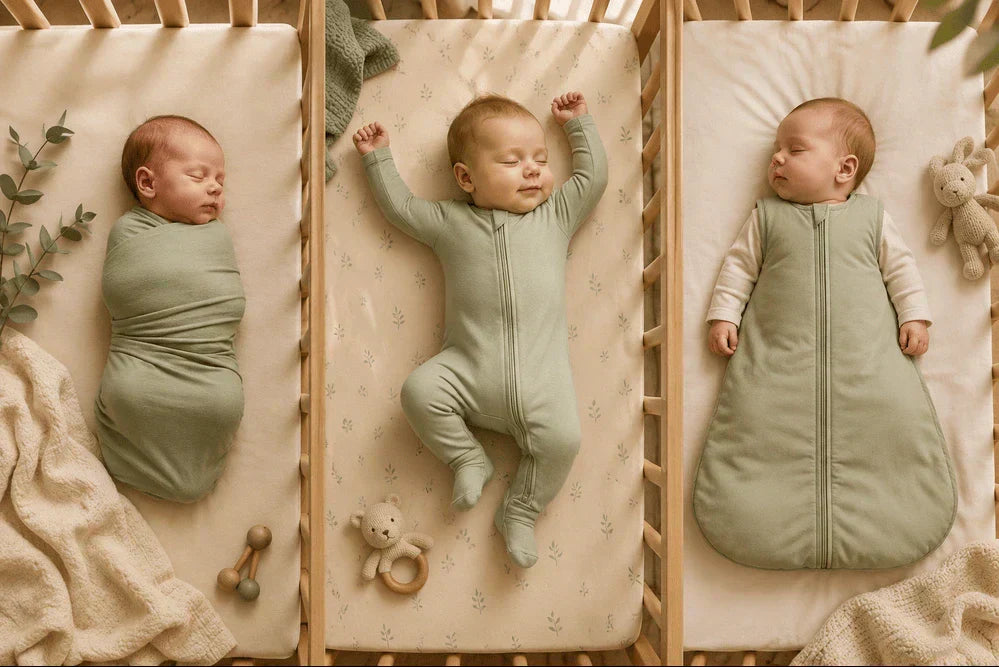




Key Takeaways
- Bamboo fabric used in baby clothes gives extra softness and moisture-wicking benefits and also temperature regulation, which makes it ideal for a baby's sensitive skin.
- Cotton fabric for babies has been a trusted choice among parents because of its breathability, durability, affordability, and easy maintenance.
- If you compare bamboo vs cotton for babies, you should consider the factors like skin sensitivity, climate, comfort, and daily wear requirements.
- In hot and humid Indian weather, bamboo gives better moisture control. On the other hand, cotton clothes are suitable for everyday use. Explore our range of baby clothes online for both.
In this Article
Understanding Baby’s Sensitive Skin Fabric Needs
What Is Bamboo Fabric for Babies?
What Is Cotton Fabric for Babies?
Bamboo vs Cotton for Babies: Which Is the Best Fabric for Babies Sensitive Skin?
Bamboo Fabric for Babies and Cotton Fabric for Babies: Which is Better in Indian Weather?
How to Choose the Best Material for Baby Skin and Daily Comfort?
Introduction
Every parent wants clothing that feels soft, gentle, and safe against their baby's skin. As a parent, you need to consider climate, skin sensitivity, and daily wear requirements before buying your baby’s clothes. Bamboo and cotton are both popular natural fabrics for babies, but they are different in softness, breathability, moisture management, and sustainability.
Choosing between bamboo fabric for babies and cotton fabric for babies may feel overwhelming because both these fabrics offer unique benefits. When comparing bamboo vs cotton for babies, you need to consider the climate and your baby’s skin sensitivity.
At Cocoon Care, you can find thoughtfully designed baby clothing made with comfort, softness, and skin-friendly materials. If you are looking for sustainable baby clothing, eco-friendly baby fabrics, or looking for the best material for baby skin, learn the differences between bamboo and cotton fabric for baby clothes. It will help you make the right choice for your little one’s comfort.

Understanding Baby’s Sensitive Skin Fabric Needs
A baby's skin is more delicate than an adult’s skin, which is why the ideal baby sensitive skin fabric should be soft, breathable, and gentle enough not to cause any irritation. You should look for soft and natural fabrics for baby clothing that support healthy skin. A baby’s clothes should also help in regulating their body temperature and managing moisture. When you compare bamboo vs cotton for babies with sensitive skin, you should also consider the fabric’s breathability, softness, absorbency, and overall comfort.
What Is Bamboo Fabric for Babies?
Bamboo fabric for babies is made from bamboo fibers and has a silky texture, breathability, and moisture-wicking qualities. This makes it a popular choice among parents who want soft baby fabric for daily wear. A major benefit of bamboo baby clothes is that it can help in regulating temperature, which is why it keeps babies comfortable all day. It is also a sustainable baby clothing option and is an eco-friendly baby fabric.
What Is Cotton Fabric for Babies?
Cotton fabric has been a trusted choice for baby clothing for many years as it offers softness and breathability. Cotton fabric for babies is available in various forms like the cotton muslin fabric for babies and organic cotton fabric for baby clothes. The most common cotton baby clothes benefit is that they are comfortable and easy to wash. Many parents use cotton as a reusable baby clothing fabric because of its affordability and versatility.
Bamboo vs Cotton for Babies: Which Is the Best Fabric for Babies Sensitive Skin?
Both bamboo and cotton fabrics have their own advantages. However, certain qualities may make one better suited for highly sensitive skin.
- Bamboo fabric for babies is often softer and smoother against delicate skin.
- Bamboo baby clothes' benefits include temperature regulation.
- Bamboo naturally wicks moisture away, which helps to keep the baby’s sensitive skin dry and comfortable.
- Bamboo fabric is considered ideal for babies with sensitive and eczema-prone skin because its ultra-soft texture helps reduce irritation and keeps skin comfortable.
- Cotton fabric for babies is lightweight and breathable, making it suitable for daily wear.
- Cotton baby clothes’ benefit is that they are easy to care for and have long-lasting wear.
- Still, bamboo is considered the safest and softest material for baby skin due to its extra gentle feel on skin.
Ultimately, the best fabric for a baby's sensitive skin depends on your baby's particular needs. Many parents find essentials like a baby sleep sack work especially well for sensitive newborn skin

Bamboo Fabric for Babies and Cotton Fabric for Babies: Which is Better in Indian Weather?
Indian weather has heat, humidity, and seasonal fluctuations. For many families, the best fabric for a baby's sensitive skin in Indian weather often depends on local climate and the baby's comfort level.
- Bamboo fabric for babies offers excellent breathability and moisture-wicking properties during hot and humid conditions, which helps to keep your baby dry, cool, and comfortable in summer.
- Cotton fabric for babies is lightweight and breathable for daily wear clothes.
- Bamboo fabric works well for babies with skin sensitivities.
- Cotton performs well for everyday wear and frequent washing.
This pointwise bamboo fabric for babies vs cotton fabric comparison shows that both fabrics can perform well, though bamboo excels in moisture and temperature regulation.
How to Choose the Best Material for Baby Skin and Daily Comfort?
Selecting the best material for baby skin is more than just choosing between bamboo and cotton. Parents should consider a lot of things like the cloth’s softness, breathability, durability, frequency of washing, ease of maintenance, and even their local weather conditions. You should look for high-quality natural fabrics for babies that feel gentle and lightweight. For babies with extremely sensitive and delicate skin, bamboo baby clothes' benefits for newborn comfort may provide additional advantages.
Bamboo fabric is also a preferred choice for babies with eczema-prone skin because of its soft feel and moisture-wicking properties that help keep skin comfortable.
Ultimately, whether you choose bamboo or cotton, prioritise your baby’s comfort, safety, and quality.

Frequently Asked Questions
1. Which fabric is easier to maintain for everyday baby clothing?
Cotton fabric is generally easier to maintain due to its durability and simple washing requirements, but nowadays, many bamboo clothes are also designed for everyday care.
2. Are bamboo baby clothes suitable for all seasons?
Yes, bamboo-fabric baby clothing has excellent temperature regulation, which makes it suitable for use for the whole year.
3. Does cotton fabric cause irritation on extremely sensitive baby skin?
Cotton fabric is tolerated well by most babies. However, some babies with extra sensitive skin may prefer the extra softness offered by bamboo fabrics.
4. What should parents check before buying baby clothes for sensitive skin?
You should check the softness, breathability, fabric quality, and fit of the baby's clothes before buying them and choose high-quality fabric made from trusted and baby’s skin-friendly materials.
5. Which fabric absorbs sweat better for babies in summer?
Bamboo fabric for babies has better moisture management, which helps to absorb and wick the sweat away from the skin during hot weather.
Popular Searches
Family Night Dress | Cloth Nappy for Baby | Baby Headband | Baby Night Suit |