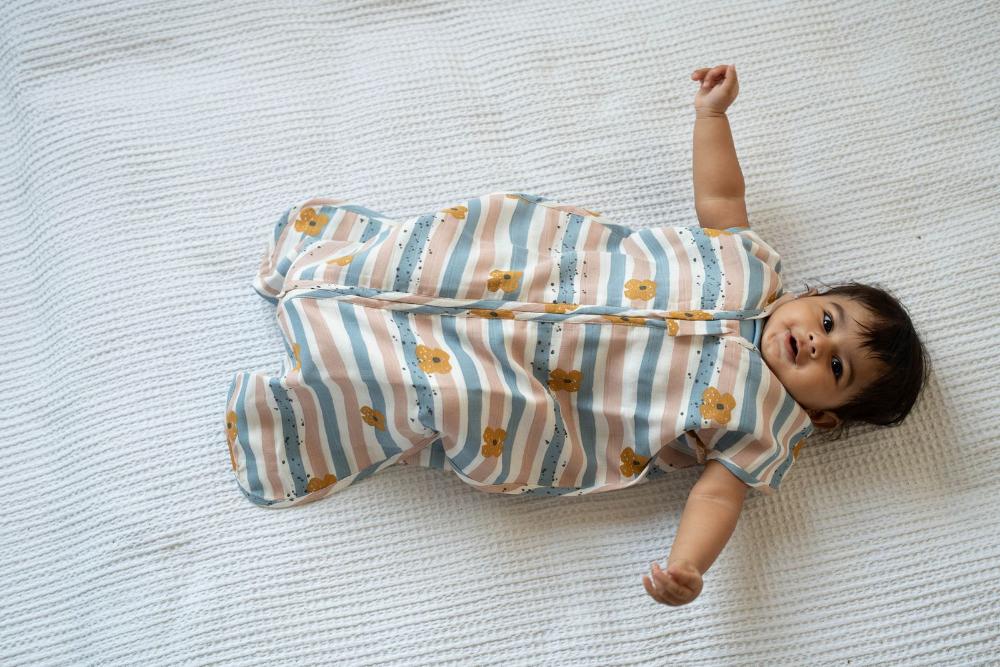





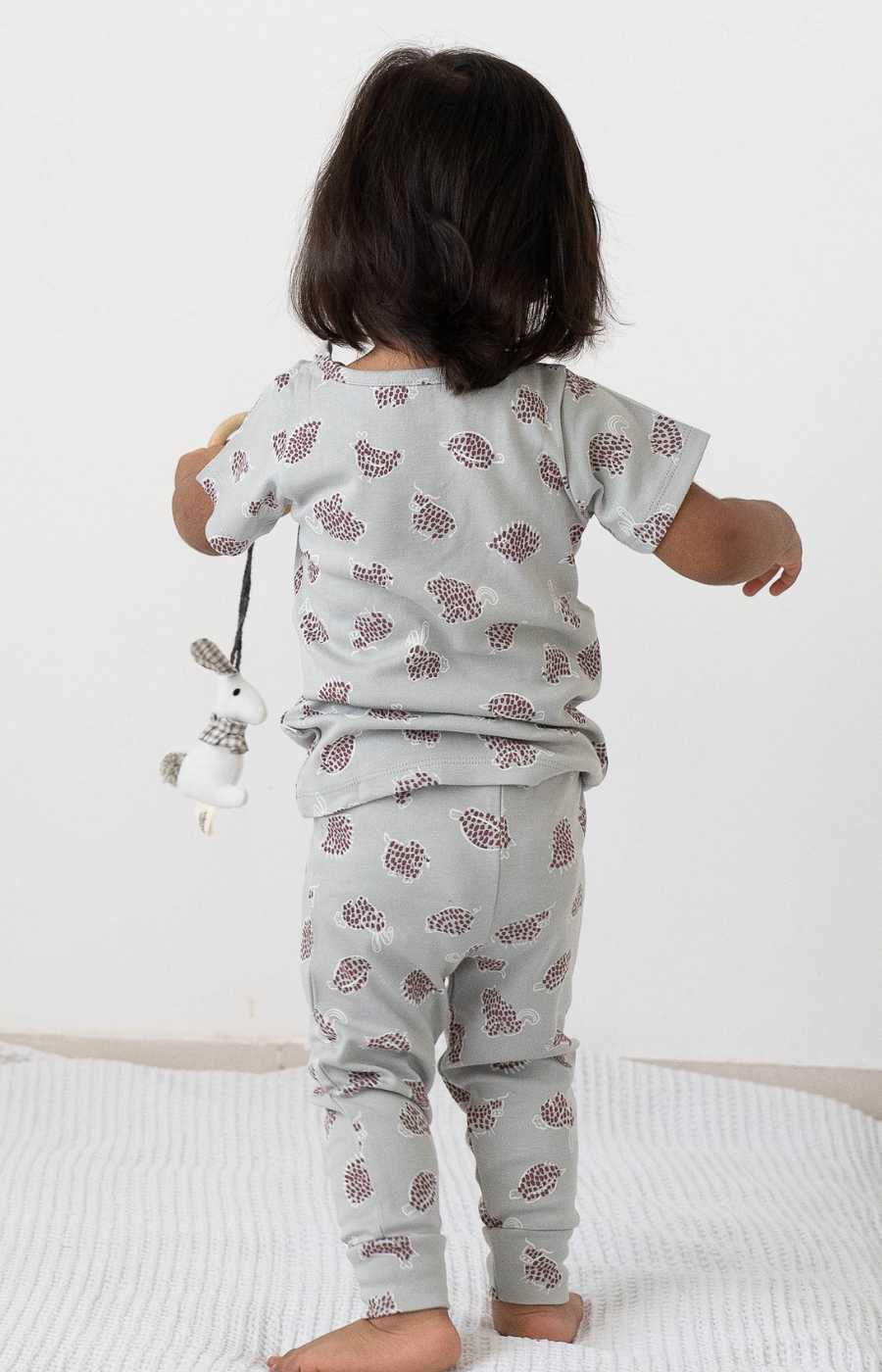





Key Takeaways
- Baby sleep is more than rest. It helps your little one grow, heal, and smile brighter each day.
- Knowing how much sleep your baby needs can make nights gentler and days easier.
- Simple, loving bedtime rituals work like magic - swaddles, lullabies, soft night suits, cuddles with the right baby sleeping solutions.
- Every sleep regression or restless night is a normal part of this journey.
- Your calm is your baby’s calm. Be patient, stay close, and let love guide the routine.
- It’s okay to ask for help. You’re doing beautifully, even on the tough days.
In This Article
- Key Takeaways
- Why is Baby Sleep Essential?
- Understanding Newborn Sleep Patterns: How Much Sleep Do Babies Need?
- Baby Sleep Cycles Vs Adult Sleep Cycles
- Day Vs Night Confusion: Why It Happens & How To Fix It
- 9 Expert Tips On How To Help Your Baby Get To Sleep
- Common Baby Sleep Problems
- Baby Sleep Myths Every Parent Should Ignore
- What Was The Biggest Sleep Challenge You Had As A New Parent? Real Challenges & Advice From First-Time Moms & Dads
- Safe Sleep Practices for Babies
- Nighttime Routine & Sleep Environment Checklist
- Final Thought
- FAQs On Baby Sleep
Introduction
When your newborn finally snoozes through the night, it's not just a milestone for your little one, but actually a rebirth for you.
This is the start of being able to enjoy the beautiful chaos of parenthood without sleep - deprived tears. From soft midnight coos to the way your little bundle of joy melts into a snuggle with you, this is where priceless memories are made. In this blog, we are going to guide you through the process of making baby sleep dreamy, doable, and dependable.
In this baby sleep guide, we’ll also explore what are the best baby sleep tips, along with practical baby sleep tips and tricks that actually work for new parents.
No matter if you're battling infant sleep regression or wondering about newborn sleep patterns, we've got you covered.
After all, when baby's sleep time gets better, everything gets better.
If you’ve been searching for baby sleeping tricks or a reliable newborn baby sleeping trick, you’re in the right place.
Why is Baby Sleep Essential?
Without regular, quality infant sleep, your baby's development can miss a beat, and we don't want that!
This is why baby sleep is the true hero of early parenting.
-
Sleep Fuels Brain Growth
During newborn sleep, your baby's brain is buzzing with development, memory, language, and emotional regulation. All of this gets nurtured while your little one snoozes. In fact, how much newborn baby sleep they get can directly support their physical growth, tissue repair, and metabolism.
-
Sleep Strengthens Immunity
Deep infant sleep patterns help reinforce a stronger immune system, which makes your baby better equipped to fight infections and bounce back faster.
-
Sleep Supports Mood Regulation
Have you ever dealt with an over - tired and cranky baby? If yes, you must know that proper baby sleep time can help keep the meltdowns at bay, which is good news for everyone in the house!
Understanding these basics is the foundation of any baby sleep guide and helps you apply the best baby sleep tips with confidence.
Understanding Newborn Sleep Patterns: How Much Sleep Do Babies Need?
Sleep does not come with a one-size-fits-all manual, especially in the first year. From catnaps to all-nighters, understanding the recommended sleep duration for infants by age can help you plan better and worry less.
|
Age Range |
Total Baby Sleep Time |
Daytime Naps |
Nighttime Sleep |
|
0–3 months |
14–17 hours |
4–5 naps (short and scattered) |
8–9 hours (interrupted often) |
|
4–6 months |
12–15 hours |
3–4 longer naps |
9–10 hours (starting to consolidate) |
|
7–12 months |
12–14 hours |
2–3 naps |
10–12 hours (more stable nights) |
Baby Sleep Cycles Vs Adult Sleep Cycles
When you're struggling through midnight wake-ups and 20 - minute naps, you must try to understand that your baby's sleep cycle is nothing like yours. While adults cycle through deep and light sleep phases every 90 minutes, babies have much shorter sleep cycles, about 40 to 50 minutes. This means they wake up more often and spend more time in lighter stages of sleep, which makes them more sensitive to noise, hunger, and discomfort.

Day Vs Night Confusion: Why It Happens & How To Fix It
If your newborn thinks that 2 AM is playtime, well, their jet-lagged little brains are to be blamed! Kidding!
Day versus night confusion is one of the most common struggles in newborn sleep. This is because your baby was lulled to sleep by your movement during their time in the womb, and night was their wake time. Here are the reasons why it happens and how you can lovingly nudge a shift.
-
Baby's Circadian Rhythm
Your newborn's circadian rhythm isn't fully developed. This is because they don't start producing melatonin until 6-12 weeks. That’s why your baby's sleep time isn't in sync with the clock.
As a pro tip, try exposing your baby to natural daylight during the day. Furthermore, you can dim the lights at night.
-
Womb Patterns Continue To Linger
Your baby was rocked to sleep while you moved during the day and stirred when you were still at night.
As a pro tip, you can try to create a consistent nighttime routine using a bath, massage, lullaby, or a cozy baby night suit.

-
Overstimulation
If your baby is overtired during the night, they are going to fight sleep. This is going to flip their schedule even more.
As a pro tip, you can start your nighttime winding-down routine a little earlier than usual. Use swaddles or Cocoon Care sleeping pods to give womb comfort to your little one.
-
Night Feeds
Feeding at night with bright lights and loud sounds can literally wake up your child and make them more alert.
As a pro tip, keep feeds quiet, dim, and make them as boring as possible. After all, there isn’t much excitement you can (or should) offer at 3 AM. Keep things as calm and uneventful as possible to signal it's still sleep time.

9 Expert Tips On How To Help Your Baby Get To Sleep
There is no magic wand for baby sleep. But there is definitely a swaddle, a white noise machine, and a whole lot of patience. These baby sleep tips can come in handy if you want to help your baby sleep longer at night naturally, especially if you're wondering what are the best baby sleep tips for your little one.
1. Create A Peaceful Sleep Environment
Keeping it cool, dark, and quiet is the best tip for setting up a baby-friendly sleep space. You can use blackout curtains, newborn baby sleeping bags, baby blankets, a humidifier, and a soft white noise machine to recreate the cosy calm of your womb.
2. Try Swaddling
Swaddling can mimic the snugness of the womb and reduce the startle reflex. Swaddling infants is a simple and effective way to get them to sleep. To that end, you can use Cocoon Care’s muslin swaddles that are three times softer, lighter, and more breathable than cotton. This is one of the most trusted baby sleeping tricks and a simple new born baby sleeping trick many parents swear by.

3. Let Your Kid Self-Soothe
It's absolutely okay if you let your little one fuss for a while before falling asleep. Just stay close, but encourage them to learn the art of drifting off on their own; one little step at a time.
4. Take Naps Seriously
Skipping daytime naps is the perfect recipe for making your baby overtired and cranky. Consequently, a terrible night's sleep awaits you and your little one. Prioritise daytime infant nap patterns to protect nighttime rest.
5. Lower The Temperature
Babies sleep best at 24 to 26 degrees Celsius. If the temperature is too hot, they are going to get sweaty and cranky. Use breathable infant night suits or a comfortable sleepsuit for your baby to keep your baby snug while keeping your room cool with a fan or AC for a baby’s sound sleep.
6. Get Ready For Quick Diaper Changes & Crib Sheets
Always keep extra crib sheets and nappies for the baby nearby. Midnight blowouts are very real and they can ruin sleep for everyone.

7. Use A Pacifier Trick
To help your baby learn to self-soothe between feeds, using a pacifier can be a very healthy trick. You can start using it once the feeding schedule is established.
8. Develop A Bedtime Routine
Start your baby’s bedtime routine every day at the same time. Studies have found that consistent bedtime routines can reduce sleep problems. You can experiment with lullabies, cozy sleepsuits for newborns, massages, and other things that help calm your baby down. Mama, remember, babies love predictability! A consistent routine is one of the most effective baby sleep tips to improve sleep quality over time.
9. Stay Calm & Patient - Don’t Overthink
Mama, your baby is going to sleep eventually. And the calmer you are, the better your baby is going to be.
Norah O’Donnell (American journalist) said: “Sleep when the baby sleeps. Housework can wait. Emails can wait. But your health and sanity can’t.”

Common Baby Sleep Problems
This is not a problem, Mama. It is just a phase. And like all phases, this too shall pass. Your baby's sleep is not broken. It's just evolving. Let us try to understand why babies wake frequently during the night. The good news is that most of these challenges can be improved with the right baby sleep tips, smart baby sleep tips, tricks, and practical infant sleep solutions for new parents.
1. Frequent Night Waking
This is the biggest one. Babies break their newborn sleep patterns to feed, be soothed, or just check that you are still there. To handle this situation, you must stick to a consistent bedtime routine. Every time your baby makes a sound, don't rush in to hold them up. Be there, give gentle reassurances as they're still learning to self-soothe.
2. Short Naps
A 20-minute catnap is totally normal for newborns. Their infant sleep cycles are not just short but also light. You can use white noise, swaddling, or make the room dark to extend nap time. Skipping nap time is only going to make your baby more cranky.
3. Early Morning Wakeups
When your baby wakes up at 4 or 5 am, it is often linked to light exposure or overtiredness. Early bedtime and a full belly before bedtime can help you manage this situation.
4. Sleep Regression At 4, 6, 8 And 12 Months
Sleep regression can happen during growth spurts and other developmental leaps. Sticking to your routine is all you need to do to manage these baby sleep regression milestones. The regression is only temporary and it will all pass. Although we know that it's difficult to feel that way at 2 am in the morning. During these phases, sticking to gentle baby sleeping tricks can make a big difference.
5. Teething, Illness, And Travel Disruptions
Disruptions can happen. Teething pain, cold symptoms, or a different environment can wreak havoc on a baby's sleep time. For babies, comfort comes first. Therefore, do not try to use any aggressive method to sleep train your child. Gentle and consistent routines are going to work just fine.

Baby Sleep Myths Every Parent Should Ignore
As new parents, you’ll hear a lot of well-meaning advice. But not everything you hear is true, especially when it comes to baby sleep. These common myths often create more confusion than comfort. Let’s debunk common misconceptions about baby sleep with love and logic.
-
“Keep the baby awake during the day. They’ll sleep better at night.”
This sounds reasonable, but it doesn’t work for little ones. An overtired baby is more likely to be fussy, restless, and harder to settle. Well-timed naps actually help babies sleep better at night. If you're wondering whether it’s okay to wake a sleeping baby, read our blog on why waking up a baby sometimes makes sense.
-
“Start solids early to help your baby sleep longer.”
Many people say this with the best intentions, but introducing solids before your baby is ready can lead to tummy discomfort and disturbed sleep. Baby’s sleep is connected to feeding, but it’s not about just filling the tummy.
-
“If your baby is crying, something must be wrong.”
Crying is your baby’s way of expressing many things, not always distress. It may occur due to the transition between sleep cycles, tiredness or just seeking for comfort. Still, if something feels off, trust your instinct. There could also be medical reasons why babies struggle to sleep.
-
“You have to sleep train to build good sleep habits.”
There is no single path to restful nights. Some families use sleep training, while others follow a more intuitive rhythm. Both are okay. The key is to find what feels right for you and your baby. Explore different sleep training options.

What Was The Biggest Sleep Challenge You Had As A New Parent? Real Challenges & Advice From First-Time Moms & Dads
Take a look at some real-life newborn sleep struggles from new parents and how they tackled some of the most common baby sleep problems.
-
Megha, Mumbai, Mother Of A 2 Month Old Daughter
Challenge: My baby slept through the day and then stayed up all night.
Advice: Correcting a newborn’s reversed sleep cycle was difficult, but exposure to daytime sunlight and a consistent cosy bedtime routine helped fix this.
-
Prashant, Pune, Dad Of A 6 Month Old Daughter
Challenge: Teething pain messed up my son's entire sleep routine.
Advice: We used cold teethers before bed and stuck to our same bedtime rituals.
-
Naveen, Jalandhar, Dad Of A 3 Month Old Son
Challenge: One of my greatest struggles with baby sleep was when my child used to wake up every 45 minutes at night.
Advice: White noise and helping my child self-soothe for at least 5 minutes helped with this situation tremendously.

Safe Sleep Practices for Babies
Creating a safe sleep space for your baby might seem a bit tricky to get right, but the truth is, it's really not that complicated. Just a couple of simple habits can make all the difference to their safety and happiness. Here are the things that are really worth remembering as part of safe sleep tips for newborn babies:
- Always put your baby on their back for sleep, not just at night but for naps too. It's one of the simplest ways to cut the risk of Sudden Infant Death Syndrome (SIDS), the heartbreaking condition where a happy, healthy baby dies unexpectedly during sleep, often because of an environment that isn't safe for them. This is a simple sleeping position that medical experts all over the world are recommending.
- A firm mattress with a tight-fitting sheet is your best bet. Don’t let your baby snuggle up with pillows, blankets, or soft toys, as these can become suffocation hazards and increase the risk of unsafe sleep.
- Right from the start, it's a good idea to keep your baby in the same room as you but in their own bed or cot. This can be a healthier option for around the first six months.
- If you want to avoid your baby getting too hot or restless at night, use breathable night clothes.
- Keep the room where your baby sleeps at a comfortable temperature. Make sure air is circulating properly.
- Avoid covering your baby’s face while they’re sleeping or using thick, heavy blankets that can cause overheating.
These are the basic but essential parts of any good baby sleep guide.
Nighttime Routine & Sleep Environment Checklist
Building a consistent, predictable sleep routine is one of the best baby sleep tips and tricks and can turn bedtime into a calming experience instead of a struggle. Just keep an eye on these simple tips to make sure you stay on track:
- Follow the same bedtime routine every night, including weekends (a warm bath, a gentle massage, a soothing lullaby, and some cuddles on the side).
- Make sure the room is quiet, the lighting is dim and free from distractions.
- If you need help with blacking out the light or drowning out background noise, try using curtains or a white noise machine to help things along.
- When it's time for bed, just get your baby into some soft, comfy night clothes that will let them get a good night’s sleep.
- Keep nappies, wipes and extra sheets close to hand for those late-night changes.
- Feed your baby in a quiet, dimly lit room with as little fuss as possible and certainly with minimal interaction.
- Stick to a regular sleep and wake schedule as much as it's possible to do so.
Over time, these little things all add up into some powerful baby sleep tips and tricks that can really help your little one sleep better and get some much-needed rest.
Final Thought
Every baby is different, and so is every sleep journey. Some nights feel endless, and some bring sweet surprises. What really helps though, is sticking to a routine, staying calm, and connected. By combining these gentle tips with some sleep advice for new parents and the right baby sleeping solutions, can truly transform your nights. Swaddles that genuinely help soothe, sleeping bags that actually breathe, and rompers that just snuggle you close - these little luxuries can make a world of difference when bedtime rolls around. You can find gentle, thoughtfully made baby clothes online in India at Cocoon Care that support your baby’s sleep and your peace of mind.
FAQs On Baby Sleep
1. How many hours should a baby sleep by age?
Newborns need up to 17 hours of sleep per day, but the number gets reduced as they grow. You can check out our table on recommended sleep duration for infants by age.
2. When should I start a bedtime routine for my baby?
You can start it as early as 6 to 8 weeks. The bedtime ritual should be short, simple, and consistent.
3. Why does my baby wake up every hour at night?
Frequent baby night wakings are a very common infant sleep pattern. Your baby might be waking up due to hunger, sleep deprivation, or overstimulation.
4. How do I get my baby to sleep through the night?
If you want to know how to make your baby sleep longer, try to have a consistent and predictable nighttime routine. Use white noise and beautiful infant nightwear. These newborn sleep rituals will help your child consolidate baby sleep time naturally over time.
5. What are common baby sleep regressions and how long do they last?
Baby sleep regressions normally happen around 4, 6, 8, and 12 months due to developmental milestones. This disruption can last anywhere up to 6 weeks. So when it happens, you need to stay calm and do the best you can to stick to your baby's normal sleep routine.
6. How do I create a safe and calming sleep environment for my baby?
You can follow these tips to create a safe and calming environment for your baby. Use swaddles, cozy baby blankets, and breathable sleeping bags to keep your baby snug and comfortable. Furthermore, keep the room dark and cool (24 - 26 degrees Celsius). You can also use a white noise machine to drown any external sounds.
7. Is it normal for my baby to fight naps?
Yes. It is normal for your baby to fight naps. Skipped naps can actually do a lot of damage to your baby's sleep, and can make them cranky and overtired. Try to stick to your normal nap schedule and also watch out for the little signs that tell you they're getting tired.
8. What is a wake window and how does it affect baby sleep?
The wake window is the length of time a baby's meant to stay awake before they need to sleep. Disregarding this, or ignoring it, can lead to your baby getting overtired and all out messing with their sleep routine.
9. How can I fix day - night confusion in newborns?
To correct a newborn's reversed sleep cycle, try exposing a child to daylight during the day and keep the room dim at night or dark at night. Using comfortable baby nightsuits, white noise and predictable sleep time rituals can help align the baby's sleep time with the natural clock.
10. When do babies start sleeping longer at night?
Babies start stretching their infant sleep by three to six months. You can support this with cozy sleepsuits for newborns, a quiet environment, and a soothing wind-down routine. The practice of helping your baby sleep longer at night starts with consistency.
11. How do I calm an overtired baby before bedtime?
Soothing touches, swaddling, and sticking to a predictable baby sleep routine can work wonders. An overtired newborn's sleep can be harder; therefore, using calming cues can calm them down and help them sleep better.
12. What are the signs that my baby is ready for a nap or bedtime?
Look for infant sleep cues like yawning, eye rubbing, fussiness, or a loss of interest in play. When parents are able to recognize sleep readiness cues, it helps them time their child's naps better and keep overtired crankiness at bay.
13. What’s the ideal room temperature for baby sleep?
The ideal temperature for baby sleep time is 20 - 22°C. If your room is too hot or cold, it can cause frequent baby night waking.
Popular Blogs
- 90+ Baby Smile Quotes That Melt Hearts
- When Do Babies Start Crawling? Stages and Signs Every Parent Should Know
- How Much Sleep Is Normal for a Baby? A Month-by-Month Breakdown
- Is It Safe to Use a Fan or AC for Baby Sleep?
- Atopic Dermatitis in Babies: Eczema Causes, Symptoms, and Treatment
With Love, from Cocoon Care
Dear Parent,
No matter where you are, your baby deserves gentle beginnings and comforting care. At Cocoon Care, we pour love into every stitch. From soft muslin baby swaddles to cozy sleep pods and thoughtfully made newborn clothing, our essentials hold your baby with the same tenderness as you do. You can find baby essentials on our website and also on Amazon, Firstcry, Myntra, Nykaa Fashion and DuckDuck baby.
Because every baby deserves to be cocooned in care.
About the Author: The Cocoon Care Editorial Team works with pediatric consultants and experienced parents to bring you baby care tips you can trust.
Popular Searches
Newborn Baby Clothing | Baby Bodysuits | Towels For Baby | Rompers For Babies | Baby Langot | Newborn Essentials Online | Family Twinning Outfits | Hair Band For Baby Girl | Baby Wash Cloth | Sleepsuit For Baby | Clothes For Toddler | Baby Lounge Wear| Newborn Sleeping Bag Winter | Newborn Baby Gifts | Sleeping Pod For Baby |