






Key Takeaways
- It is completely normal for infants to sleep during feeding sessions.
- This pattern can develop into a feed-sleep association, so understanding what to do if the baby sleeps while feeding is important.
- Gentle routines, feeding habits, and a sleeping environment with a comfortable baby blanket can help you improve your child’s sleeping habits gradually.

In This Article
- Key Takeaways
- How Feeding and Sleep Are Interconnected
- Why Do Babies Sleep While Feeding?
- Signs Your Baby Only Sleeps While Feeding
- Night Feedings and Sleep Patterns
- How Night Feeding Affects Sleep Patterns?
- Dream Feeding Explained
- Best Practices After Feeding
- Conclusion
- FAQs on Dream Feeding
Introduction
Tiny hands, dreamy lullabies, and a feeding bond that feels so deep and warm! In the hush of night, when the world sleeps, and it's just you and your little one, the scenario can get a little overwhelming. But mama, please rest assured that these sleepy feeds, soft sighs, and the way your baby only sleeps after feeding are all a part of a very beautiful but fleeting chapter. Whether you are breastfeeding or bottle feeding, many babies slip into sleep during or after a feed, creating a magical yet confusing pattern for new parents.
In this blog, we are going to help you understand the connection between a baby's sleep and feeding. We are also going to touch upon night feeding's impact on sleep and what to do if your baby only sleeps while feeding. So come along as we move forth on this dreamy ride and try to decode this sleepy little mystery, along with baby sleep and feeding schedule tips for newborns.

How Feeding and Sleep Are Interconnected
The cycle of feeding and sleeping is more interrelated than most people can imagine.
Feeding and sleep patterns are also closely linked in the early stages of a child's life, especially when following a newborn sleep and feeding schedule for the first 3 months. Due to the small stomach capacity of newborns, they have to be fed frequently. This has a direct impact on how many times they wake up during the night. Breast milk has sleep-inducing properties that help the child sleep. This is due to the presence of tryptophan and melatonin.
Why Do Babies Sleep While Feeding?
Milk-drunk smiles and sleepy sighs are intimately connected in babies, especially in the first few months.
-
Milk Is The Ultimate Sleep Potion For Newborns
When a baby feeds, their body releases digestive and sleep-inducing hormones like cholecystokinin (CCK), which is responsible for creating a drowsy state. According to a study, the majority of newborns fall asleep during or right after feeding in the first 3 months. This link makes feeding a powerful sleep cue.
-
Suckling is soothing
The rhythmic motion of suckling helps babies self-soothe and drift off into sleep. This is probably one of the most significant reasons why a baby sleeps while feeding.
-
Warmth
Skin-to-skin contact also helps a feeding baby to sleep. The warmth of being held makes feeding a cozy time that weighs in on your little bundle of joy’s eyelids!
-
Tired From Hunger Cries
Babies exert a lot of energy when they cry for food. So once they are fed, they are physically and emotionally ready to rest. This is perhaps why babies sleep after feeding, or babies sleep while feeding.
-
Cluster feeding
During growth spurts, babies feed more often. All these night feedings can lead to fatigue and more frequent sleep post-feed.

Night Feedings and Sleep Patterns
A very common question that parents ask is: Is it normal for a baby to fall asleep while breastfeeding?
While it's absolutely normal for babies to sleep after feeding, breaking the feed-to-sleep association in babies can become a little difficult if the habit intensifies. This is when the baby expects feeding every time they want to fall asleep. It's not harmful, but over time, it can interfere with self-soothing skills, and cluster feeding and baby sleep patterns can also interfere with the mother's sleep routine.
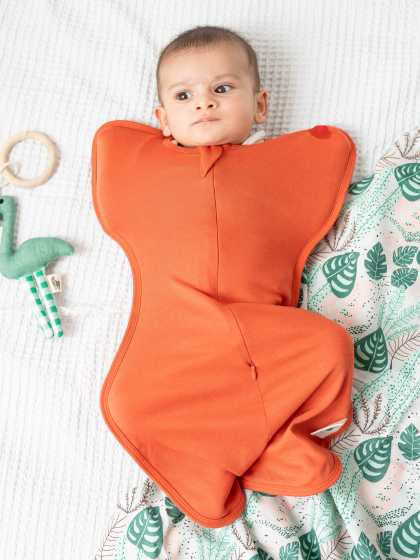
If your baby only sleeps while feeding, we think it would be a good idea to introduce a bedtime routine that includes a warm bath, gentle massage, dressing up in soft sleep suits or baby swaddles, white noise, and a gentle lullaby after feeding but before sleep. Feeding to sleep is not a bad habit, Mama. At times, this is just survival mode for your kid, but with a generous dash of cuddles.
Night feedings are a part of babyhood hustle, and with time and consistent effort from your end, your little one will grow out of it. You can also explore our sleep training methods to look for some age-appropriate strategies.

How Night Feeding Affects Sleep Patterns?
Night feeding is important for a child's development and helps establish the child's circadian rhythms. The tryptophan in night breast milk helps in the production of melatonin for better sleep. Infants generally need to be fed every 1 to 3 hours.
1. Biological Regulation
Night feeding helps in the development of the circadian rhythm of the child. This helps them differentiate between day and night and sleep for a longer period.
2. Melatonin Production
Tryptophan in night breast milk helps in the production of melatonin. This helps in increasing sleep duration and also reduces irritability in the child.
3. Sleep Dependency
Frequent night feeding can lead to infants sleeping longer at night. Infants sleep for 60 to 90 minutes and need to be fed to go back to sleep.
Dream Feeding Explained
Dream-feed baby? It is most definitely a thing. The idea is to feed your baby while they are semi-sleep so that they stay fuller longer and make the baby sleep through the night.

Why are dream feeding techniques for babies so successful?
If your baby sleeps after feeding or you have been feeding the baby to sleep for a long time, dream feeding can be very helpful for you because:
- It helps stretch the longest sleep block.
- It works like a dream for babies who are around 6 - 12 weeks old.
- It reduces those 2 AM hunger pangs.
- When you pair dream feeds with a cozy sleep pod and night wear for baby, your baby is going to stay snug and snoozing for a longer stretch of time.
“Dream feeding saved my nights. My baby started sleeping till 4 am. It was an absolute game changer.”
-Priya, 30, first-time mom.

Best Practices After Feeding
Here are some of the best practices that you can follow after feeding:
|
Action |
Best Practice |
|
Position |
After feeding, hold your baby upright for 10 to 15 minutes. |
|
Burping |
Always burp your child before putting them in the best sleeping position for the baby after feeding. |
|
Bedding |
If your baby sleeps while breastfeeding or baby sleeps after breastfeeding, put them on a flat surface with no loose blankets or sheets. |
|
Clothing |
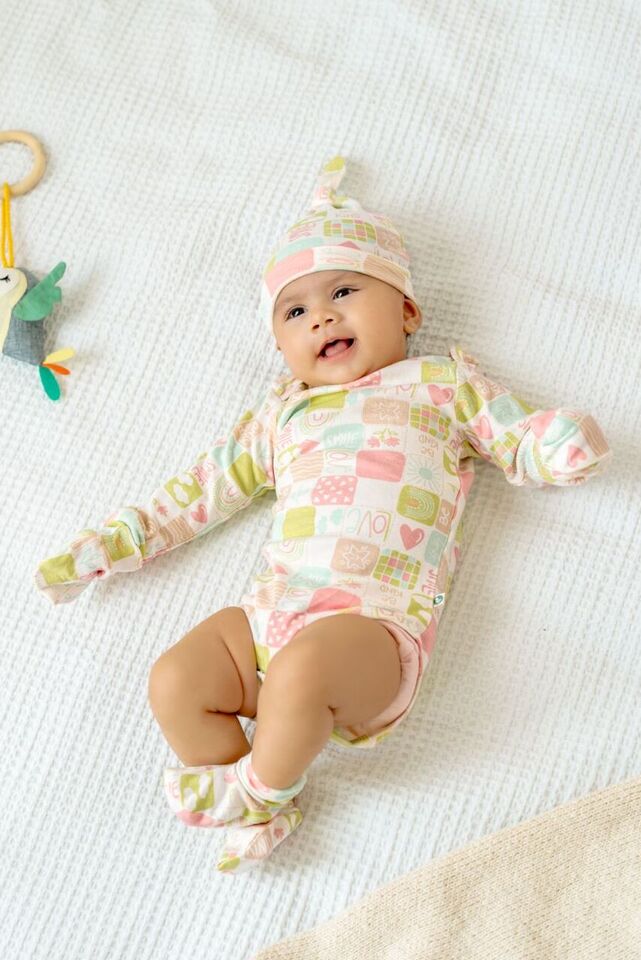
Go for baby sleepsuits and mittens for newborns in soft bamboo muslin fabric that will keep them comfortable through the night. |
|
Layers |
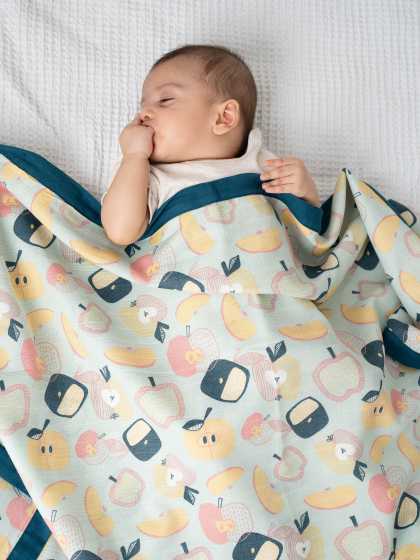
Do not wrap your child in too many layers. You can make them wear a onesie under their swaddle or baby quilt for extra coziness. |
Read our blog to know how to burp a sleeping baby without waking them.

Conclusion
No matter if you're navigating dream feeds or worrying about frequent night feedings disrupting baby's sleep, you are handling it well and doing your duty in the most extraordinary manner. So the next time your baby only sleeps while feeding, cluster feeds, dream feeds, or sleeps through the night, please remember that you're seen, loved, and supported. With a little care, patience, the right sleep routine and feeding tips for 0-6month babies, and cozy newborn essentials online, you and your baby will find your rhythm, one dreamy feed at a time.
At Cocoon Care, we are not here just for cute giggles and snuggles, but every midnight yawn, every burp, and every feed that can turn into a nap. We believe that feeding and sleep are intertwined in the most beautiful and sometimes exhausting way. That is why we have designed buttery soft organic baby clothes and snug sleep suits that are going to care for your baby just like you do!
FAQs on Dream Feeding
1. How do I stop my baby from associating feeding with sleep?
Baby sleeping while breastfeeding can become a habit, but not all habits are bad! When ready, you can break this association with a carefully put-together routine, dream feeding and a consistent bedtime setup.
2. Do babies feel hungry while sleeping?
Yes, especially during the early months, night feedings are very common because babies have tiny stomachs and fast metabolisms. If your baby feeds every hour and is not sleeping, it could be because of a growth spurt or cluster feeding phase. You can wait it out and then use techniques like dream feedings to stretch sleep intervals.
3. Is it good to feed a baby to sleep?
Yes, Mama. It is not a bad thing. It is a warm and snuggly practice that is full of love, satisfaction and sleepy vibes! Having said that, it would be a good idea to use dream feeding and other practices to help your child break free from excessive dependency on feeding for sleep after a certain point in time.
4. How to tell if a baby is waking from hunger or habit?
Hunger wake-ups come with rooting, restlessness, and crying. If your baby wakes but doesn't actively feed, it could be a comfort habit. When you create a consistent bedtime routine and give soothing cues to your child, like white noise, massages, etc., it can really help.
5. Should I wake my baby to feed if they’re sleeping?
For newborns who are under 8 weeks or underweight babies, ‘If baby is sleeping, should I wake my baby to feed’ is a very valid concern. Pediatricians recommend waking your child every 3 - 4 hours for feeding. For older babies, you can observe their feed and sleep patterns and consult your doctor to put together an ideal routine for them. If your baby sleeps through the night without feeding and is gaining healthy weight, it's often okay to let them sleep.
6. At what age should I stop feeding my baby to sleep?
There’s no specific age. Feeding to sleep is perfectly normal within the first 6 months. After that, you can gradually bring the feeding into the bedtime routine earlier.
7. Can sleepwear affect how easily a baby sleeps after feeding?
Yes. Comfortable sleepwear for the baby ensures they remain asleep. If the baby is too hot, it will disturb the baby’s sleep after the feed. You can also match your baby with a family night suit set.
8. Can feeding-to-sleep habits affect nighttime sleep long-term?
Yes. The baby may develop the habit of associating the feed with sleep, and they may wake up during the night.
Popular Blogs
- Baby Swaddle Vs Sleep Sack: What’s Better For Your Baby’s Sleep?
- When Do Babies Start Crawling? Stages and Signs Every Parent Should Know
- Best Fabrics for Summer Baby Sleepwear
- Baby Blanket Care Tips – Washing, Drying, Storing In Winter
- Atopic Dermatitis in Babies: Eczema Causes, Symptoms, and Treatment
With Love, from Cocoon Care
Dear Parent,
No matter where you are, your baby deserves gentle beginnings and comforting care. At Cocooncare, we pour love into every stitch. From soft muslin swaddles to cozy sleep pods and thoughtfully made newborn clothing, our essentials hold your baby with the same tenderness as you do. You can find baby essentials on our website and also on Amazon, Firstcry, Myntra, Nykaafashion and DuckDuck baby.
Because every baby deserves to be cocooned in care.
About the Author: The Cocoon Care Editorial Team works with pediatric consultants and experienced parents to bring you baby care tips you can trust.
Popular Searches
Baby Night Suit | Newborn Essentials Online | New Born Baby Towel | Baby Pajama Set | New Born Bottoms | Toddler Clothes | Baby Rompers | New Born Baby Gifts | Washcloth | Baby Bonnet Cap | Summer Collection For Baby |